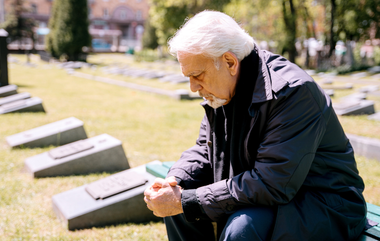



The Stillness After Loss: Mindfulness Techniques for Living with Grief

Grief is an untamed ocean; it’s unpredictable, vast, and deeply human. For many, mindfulness becomes both an anchor and a compass during this storm. Rather than forcing the pain to disappear, mindfulness invites you to meet your experience with gentle awareness — one breath, one heartbeat, one moment at a time.
Key Insights
- Mindfulness doesn’t erase grief, it transforms how you hold it.
- Small daily rituals—breath work, journaling, walking—create stability.
- Observing thoughts without judgment helps reduce emotional overwhelm.
- Connection, not isolation, fosters healing.
- Compassion toward yourself is non-negotiable.
Reclaim Presence Amid Emotional Waves
Mindfulness teaches us that emotions, no matter how painful, are temporary visitors. The first step is presence, learning to stay with what is, without fleeing or fixing. This approach builds emotional tolerance and opens space for gradual healing.
Before diving deeper, here’s a list of grounding techniques you can integrate gently into your routine.
- Focused breathing for 3–5 minutes whenever emotions surge.
- A daily mindful walk; notice sensations underfoot, the sound of air.
- Body scans to release tension stored in grief’s wake.
- Gratitude journaling for one meaningful moment each evening.
- Pausing before sleep to name three emotions felt that day; no judgment, only noticing.
Write Through the Ache
Grief often speaks in fragments. Writing allows those fragments to find coherence and meaning. Journaling becomes a mirror, a safe, private witness to what words can’t fully capture. Over time, it becomes a quiet form of self-compassion.
Saving your reflections securely can make revisiting them part of your healing process. Converting your entries into PDFs ensures they’re preserved and easily accessible later. If you’d like an intuitive way to organize and protect them, this may help: This platform provides tools to convert, edit, and manage PDFs conveniently online.
The Body as a Bridge Back to Safety
When grief feels heavy, the body holds much of that weight. Grounding through sensory awareness—noticing texture, temperature, sound—reestablishes safety. Below is a concise table summarizing how different mindfulness modes can meet specific emotional needs.
Emotional State |
Mindfulness Technique |
Practical Application |
|
Restlessness |
Walking meditation |
Focus on rhythm of steps and breath |
|
Numbness |
Body scan |
Reconnect with physical sensations |
|
Overwhelm |
Focused breathing |
Slow exhale to calm nervous system |
|
Loneliness |
Loving-kindness meditation |
Send kind wishes to self and others |
|
Confusion |
Journaling |
Clarify emotions and trace emerging patterns |
How to Build Mindful Habits
To turn mindfulness into a living practice, consistency matters more than duration. Begin modestly and grow from there. This checklist can help:
- Set one daily “anchor moment” (morning, lunch, or evening).
- Choose one primary practice to focus on for two weeks.
- Track emotional changes or triggers in a small notebook.
-
Pair your mindfulness with an existing habit, like a cup of tea, walking, or breathing before sleep.
- Reassess weekly: What calms you most? Keep that; release what doesn’t.
Compassion as the Core of Healing
Mindfulness without compassion can feel clinical. Bringing warmth into your practice, through gentle self-talk, rest, or even tears, transforms it into true healing. Compassion allows grief to soften rather than calcify. It’s not indulgence; it’s inner maintenance.
FAQ
How can mindfulness help me when I feel too overwhelmed to sit still?
Start small. Focus on your breath for 30 seconds, then one minute. Movement-based mindfulness, like walking or stretching, often helps when stillness feels unbearable. Over time, these micro-moments accumulate into a steadier presence.
What if mindfulness makes me cry more?
That’s normal and often necessary. Mindfulness creates safety for suppressed emotions to surface. The tears you shed are the body’s natural release, evidence that healing energy is moving again.
Is it possible to be mindful and still feel angry or numb?
Yes. Mindfulness doesn’t eliminate emotion, it brings awareness to whatever is present. Over time, observing rather than fighting these states reduces their intensity and frequency.
How long should I practice mindfulness before I start to feel better?
Healing timelines vary. Think in terms of months, not days. Consistency is more important than speed; each mindful moment plants a seed of resilience that grows quietly beneath the surface.
Can mindfulness replace therapy or grief counseling?
No, it complements them. Mindfulness strengthens your internal coping mechanisms, while therapy provides relational support and guidance. The two together often accelerate healing.
What if I can’t forgive myself or someone else yet?
Mindfulness doesn’t rush forgiveness. Simply acknowledging the resistance with kindness is progress. Over time, gentle awareness often softens the edges of anger or guilt naturally.
Finding Peace in the Process
Grief reshapes us. Mindfulness helps ensure that reshaping is gentle, not jagged. Through attention, breath, and compassion, you slowly rebuild trust in life’s rhythm. Each mindful act, from a quiet cup of tea to a deep exhale, reminds you that you’re still here, still capable of healing, still human.