


Spring Planting 101: Maintenance, Memorials and More

Spring is a season of fresh starts, especially in gardens. Some choose to garden to add a pop of color to the world after a harsh winter. Others hope to honor pets, siblings, parents or spouses through memorial garden plants. Whatever your spring planting plans are, Let Your Love Grow is here to help.
Here’s all you need to know before the first bloom.
How to Prepare for Spring Planting
Spring cleaning applies to gardens — and it starts as soon as the last frost clears. A little thoughtful preparation now will create the ideal foundation for stronger roots, healthier growth and a garden that lasts all spring long.
Gardening experts recommend that you follow four steps:
-
Cleanup. Remove all of winter’s leftovers, including dead plants, weeds, fallen leaves and other debris.
-
Prune. Some plants are dormant until the spring — making it the perfect time to shape them. Research the plants still standing in your garden and prune them if needed.
-
Amend the soil. Winter compacts soil over time, reducing the flow of oxygen, nutrients and water. Till or turn the soil to a depth of 12-14 inches. From there, test the soil’s pH and nutrient levels and add compost if needed.
-
Divide sections. Certain plants tend to crowd each other. If you’re planning on a garden with a variety of plants, create designated sections for each.
What to Plant in Spring
Spring planting is wildly popular, as it allows roots to establish before the summer heat. However, not many know what to plant in spring. Not every tree, flower or shrub is well-suited for the season. You may have to do a bit of research beforehand.
For a pop of color that lasts, the following bulbs or perennials do well throughout spring:
-
Daffodils
-
Tulips
-
Hyacinths
-
Peonies
-
Bleeding heart
-
Lily-of-the-valley
Additionally, many flowering shrubs thrive in early spring, including:
-
Potentilla
-
Weigela
-
Forsythia
-
Hydrangeas
-
Lilacs
How to Plant with Cremains
Thinking about incorporating memorial garden plants? Well, it’s not as simple as scattering or placing cremated remains in a hole. Cremains are highly alkaline and contain high levels of sodium which suffocates the soil. This prevents nutrient absorption and gradually kills the plants around it.
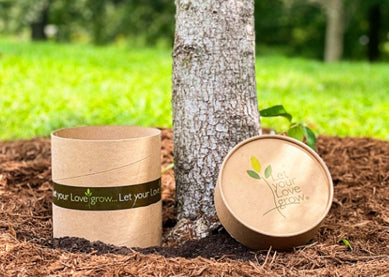
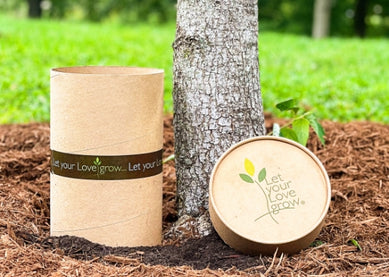
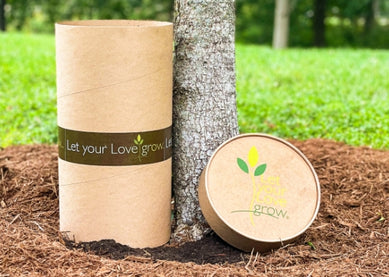
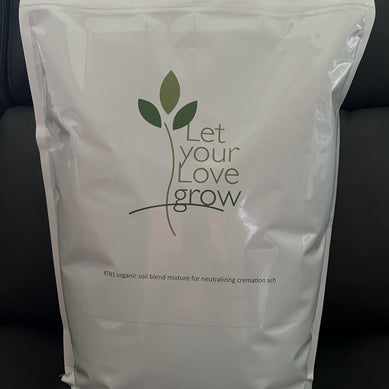
Before spring planting starts, you’ll need to lower the pH level of your loved one’s ashes. Luckily, Let Your Love Grow sells soil mixtures that make them safe to use in your garden.
Our mixtures are simple to use — just follow these steps:
-
Order. Select the proper size for your memorial. Let Your Love Grow offers small, medium and large products for people or pets.
-
Mix. Upon receiving your soil mixture, open the bag and add the proper amount of ashes. Follow the provided instructions carefully and consult our team’s usage tips.
-
Use. Once ready, you can plant, scatter or bury your loved one’s cremains — without harming the plants in your garden.
How to Select Memorial Garden Plants
Creating a memorial garden comes with added considerations. Memorial garden plants are more than seasonal accents — they’re living tributes meant to endure. As such, they tend to be native, hardy plants.
While researching what to plant in spring, consider your:
-
Location. Check your USDA plant hardiness zone to identify perennials, trees and shrubs that can survive the minimum winter temperatures in your area.
-
Sun exposure. Different plants need different amounts of sunlight. Study your garden to determine if you need a plant suited to full sun, partial sun, partial shade or full shade.
-
Availability. Some plants require more work than others. Consider how much maintenance you can handle and factor that into your spring planting plans.
-
Symbolism: Memorial plants feel more meaningful when they reflect the life lost. Consider what you cherished most about your loved one and find a plant that mirrors that. For example, if you admired their strength, an oak tree might match their memory.
Our clients often incorporate cremains into a tree, as they live for decades and require minimal maintenance once established. Some of the best memorial trees to plant include:
-
Oaks
-
Willows
-
Japanese Maples
-
Flowering Dogwoods
-
Cherry Blossoms
-
Crape Myrtles
-
Evergreens
Create Your Own Living Memorial
Spring planting is the perfect way to create something beautiful in your own backyard. With careful planning and consideration of what to plant in spring, a simple garden can become a meaningful space filled with fresh air, color and memories worth cherishing.
If you’re eyeing memorial garden plants this season, Let Your Love Grow is here to help. Explore our product pages to find the soil mixture fit for you.